
Parent & Student Resource Guide
Topics Covered Below
-
Good to know about art class.
-
Artful ways to stay connected.
-
CODE OF CONDUCT - Art Studio Rules
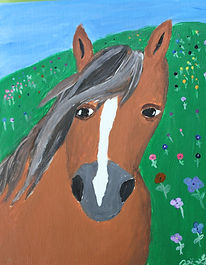
Capria - 4th grade
GOOD TO KNOW ABOUT ART CLASS
A few good questions to ask your child when they bring
home an art project:
How did you do that?
-
Can you tell me about it?
-
Where did you begin?
-
Your artwork is so interesting, where did you ever get the idea?
-
What was your favorite part?
-
Have you ever done anything like this before?
-
If you gave it a title, what would you call it?

What Progress in Art Really Looks Like
Includes:
-
progress is not always dramatic week to week
-
skill builds over time
-
confidence often grows before polish
-
observation, patience, and persistence are part of art growth
-
unfinished-looking work can still show strong learning
1. Create a Family Sketch Night
Set aside 15–30 minutes once a week for everyone to draw together.
Try simple subjects like:
-
a favorite mug
-
shoes by the door
-
fruit in a bowl
-
a houseplant
-
the family pet
-
Why it matters: It builds observation skills and makes art feel like a normal, joyful part of home life.
2. Visit a Museum—In Person or Online
Explore art together by:
-
visiting a local museum or gallery
-
taking a virtual museum tour online
-
looking up one artist and discussing their work
-
Simple conversation starters:
-
What do you notice first?
-
What colors stand out?
-
How does this artwork make you feel?
-
What do you think the artist wanted us to see?
3. Start a Nature Art Walk
Take a short walk and look for:
-
interesting leaves
-
tree bark textures
-
flower shapes
-
clouds
-
shadows
-
color combinations in nature
-
Then come home and:
-
sketch what you saw
-
make a color palette inspired by the walk
-
create a small nature collage
4. Build a Simple Home Art Display Space
Choose one small area to celebrate artwork:
-
a bulletin board
-
a clip frame
-
a wall with washi tape
-
a shelf with sketchbooks and small projects
-
Why it matters: Displaying art tells children their creative work is valuable.
5. Make Art a Conversation, Not a Performance
-
Instead of asking, “What is it?”, try:
-
Tell me about your idea.
-
What part are you most proud of?
-
What was challenging?
-
What did you discover while making this?
-
What would you like to try next time?
-
This supports confidence much more than praise alone.
6. Save the Work
Keep artwork in:
-
a portfolio
-
a labeled folder
-
a storage box
-
a binder with page protectors
-
Important reminder:
Do not throw away “imperfect” art. Growth is visible over time, and every piece tells part of the story.
7. Use Art to Celebrate Family Life
Create art around meaningful moments:
-
birthday cards
-
holiday decorations
-
family gratitude drawings
-
memory pages from trips
-
seasonal nature journals
-
illustrated prayer or Scripture cards
This makes creativity part of family culture—not just a class activity.
8. Make a “No Pressure” Creative Basket
Keep a simple basket ready with:
-
pencils
-
colored pencils
-
markers
-
paper
-
index cards
-
sketchbook
-
glue stick
-
scissors
When materials are easy to reach, creativity happens more naturally.
9. Make a Video
-
Make a video of your grandparents. Interview them about their lives and ask the funny questions that will brighten their faces and make them laugh. Write the information and draw a picture of your grandparents or something that stands out in the conversation. This project will become a cherished family heirloom.
ARTFUL WAYS TO STAY CONNECTED
Simple, meaningful ways for parents and students to enjoy creativity together at home.
“Never forget that you are one of a kind. Never forget that if there weren't any need for you in all your uniqueness to be on this earth, you wouldn't be here in the first place. And never forget, no matter how overwhelming life's challenges and problems seem to be, that one person can make a difference in the world. In fact, it is always because of one person that all the changes that matter in the world come about. So be that one person.”
― R. Buckminster Fuller
Art Careers - Free Downloads
CODE OF CONDUCT
ALL STUDENTS HAVE THE RIGHT TO CREATE
ALL INSTRUCTORS HAVE THE RIGHT TO TEACH
These classroom procedures are for you to read with your parents.
1. Be prepared for class.
2. Bring a sketchbook, drawing pad, pencils, and all assigned supplies, etc. to class every week.
3. Arrive at class on time.
4. Respect and listen to the teacher. Listen to and follow directions—ask questions.
5. Respect the other students, equipment, and furnishings in the art room. Get permission to use others' materials.
6. Be respectful of EVERYONE’s artwork and their ideas. Please do not touch another student's artwork under any circumstances.
7. Use all tools safely and properly. Wasting supplies will not be tolerated.
8. Be responsible for your work area and tools—please clean up after yourself!
9. Be honest and accountable for your actions.
10. Use your time wisely—stay on task and work towards project and assignment objectives.
11. Work quietly – Do not disturb others who are working.
12. Use appropriate language and have appropriate conversations.
13. Teasing & being critical of a classmate’s artwork will not be tolerated.
14. Be prepared to work when class starts (pencils sharpened, supplies set up, homework ready for viewing, etc.)
15. Do not write, pass, or receive notes.
16. Please help keep our studio and supplies neat & clean. Keep your workspace tidy. Please pick up after yourself.
17. Please use the restroom &/or get a drink BEFORE class & after the presentation/demo. You may miss important info or demos otherwise.
18. Have a positive attitude—Contribute to discussions - be willing to try - You CAN do it!
19. Be Creative and be proud of your work!
-
Be kind, considerate, and respectful to others.
-
Ephesians 4:32 – “Be kind and compassionate to one another, forgiving each other…”
-
Romans 12:10 – “Be devoted to one another in love. Honor one another above yourselves.”
-
-
Be a good example and truthful in what you say and do.
-
Proverbs 4:24 –”Put away perversity from your mouth; keep corrupt talk far from your lips.”
-
-
Be responsible with what God has given us.
-
Luke 12:48 – “From everyone who has been given much, much will be demanded; and from the one who has been entrusted with much, much more will be asked.”
-
-
Follow directions and be prepared.
-
Proverbs 4:2 – “I give you sound learning, so do not forsake my teaching.”
-
If you CHOOSE not to follow the guidelines,
Step 1 – The instructor and student will discuss the choices or behaviors that are disruptive, inappropriate, or unacceptable.
Step 2 – The instructor will contact the parent for continued disruptive, inappropriate, or unacceptable choices or behaviors.
Step 3 – A student/instructor/parent conference will be scheduled to discuss the situation and consequences
Step 4 – The student will be terminated from the class.
Supplies Needed for Art Class:
During the first 2-3 weeks of class (September), art supplies will be provided by the art instructor for classroom use only. This will allow parents time to purchase art supplies needed for the fall semester classes. A supply list will be provided for both fall & winter semesters. Parents may choose to pay for supplies included in the price. I am able to buy some items in bulk to help cut costs, or coupons are available from AC Moore and Michaels at 40-60% off on their websites. Please call or email for more info.
See individual class supply list
Homework:
While this is primarily a studio class, students will be required to spend additional time outside of the classroom, depending
on their class level. Art assignments will be given out regularly to improve their artistic skills. Class & home assignments are
taught precept upon precept and builds skills in order of understanding. All assignments are required in order to be
successful in this class. Students should check their assignment sheet and pace themselves. Do not save everything until
the night before class. Weeks will vary in homework assignments depending on what we are studying. Students are
responsible to turn their assignments in on time.
Communication:
You may call me at 301-638-0787. If I am not available please leave a message. I will return your call as soon as possible.
You may also email me at miarobinsonart@gmail.com
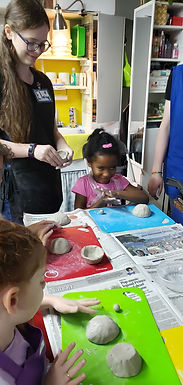


Art Studio
News:
Art Tutorials Calendar for 2019/20
Classes start the week of Sept 10th - 12th
Thanksgiving Holiday Nov. 26th - 28th
Winter Break:
Dec. 17th - Jan. 2nd
Spring Break:
April 6th - 10th
Last week of school: May 5th - 7th
Art Careers
How do you turn your love of art into a productive visual-art career? Check out this list of 197 art-related fields.
Art Facts!
Some artists create art that is displayed in museums or galleries. Other artists produce art for books, movies, commercials and websites. Even products like your breakfast cereal are packaged in boxes designed by artists.
"Creativity is intelligence having fun"
Albert Einstein
Proverbs 22:29 – “Do you see a man skilled in his work? He will stand before kings; he will not stand before obscure men.” God desires us to be good stewards with the gifts He has given us. This verse permissions us to be skilled at making art. Being skilled takes practice and creativity is a muscle not a magic potion. It takes work to get better creatively. Practice your craft and steward it well in obscurity so when it is time to share your gift you are prepared. Your creativity reflects who you are but also who He is!
God has blessed ArtVentures Studio Fine Arts Program in many ways, and I am excited to partner with you and your children. I hope that we can walk together in this journey, through prayers, and and support.
I am looking forward to an amazing year in Art class and I can’t wait to see what we create together!